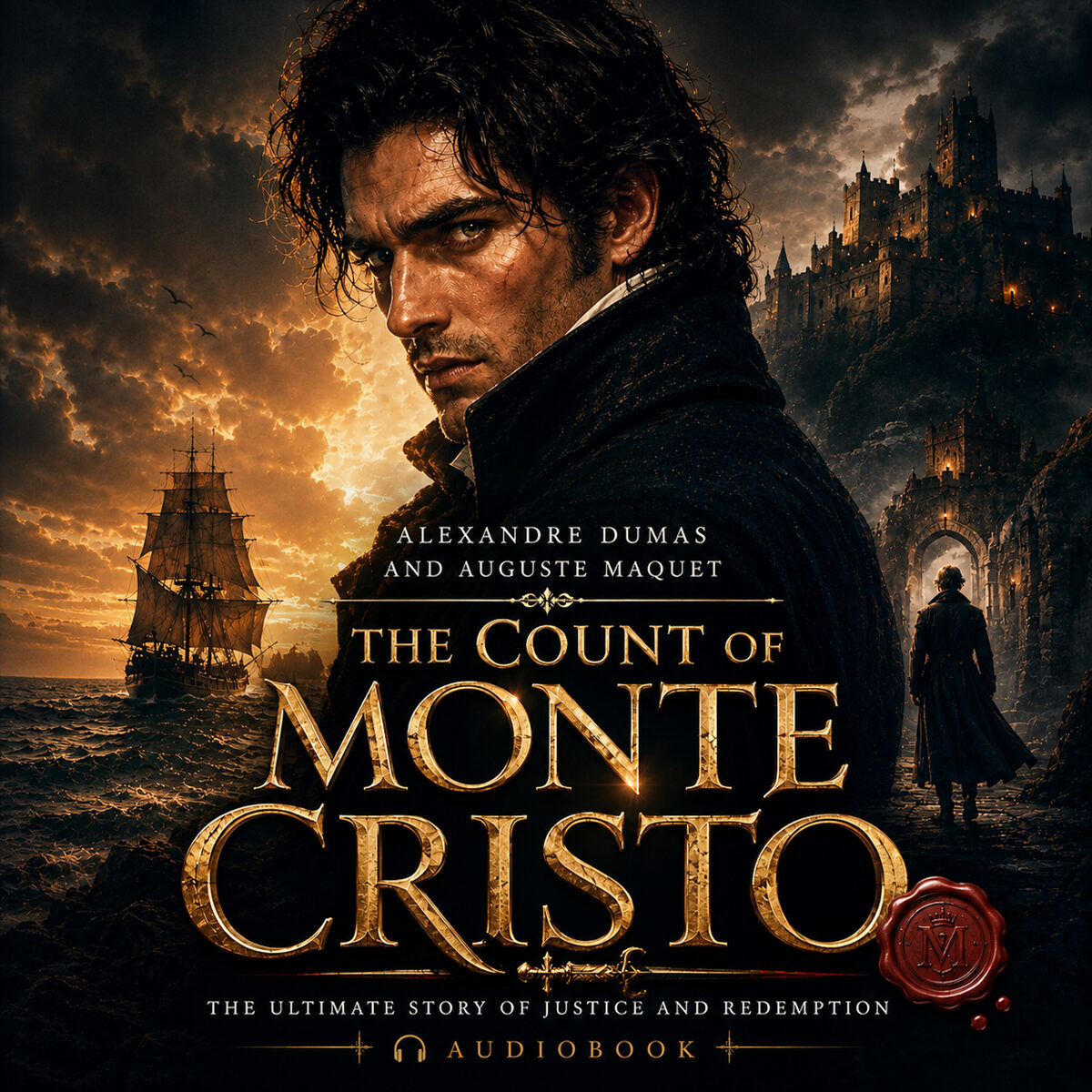
“Hatred is blind; rage carries you away; and he who pours out vengeance runs the risk of tasting a bitter draught.” It is a warning with the shape of a toast, and in The Count of Monte Cristo that is exactly the danger. Vengeance can feel like a drink prepared for someone else, only to burn the person who raises the glass.
Speaker and context
The speaker is Edmond Dantès, speaking as the Count during one of the novel’s reflections on revenge and punishment. Public-domain English translations differ in punctuation and small word choices, so readers should check their edition for the precise chapter and phrasing. The idea belongs to a world in which the Count is both avenger and the person most qualified to warn against vengeance: he has made it his life’s project.
“Blind” does not mean hatred lacks energy. It means hatred narrows vision. Dantès can identify the men who betrayed him, but his rage initially makes every consequence look deserved. A scheme that begins by targeting Fernand, Danglars, or Villefort can spread through families, servants, children, and bystanders. The Count’s intelligence makes the blindness more unsettling: a brilliant planner can still fail to see what emotion has hidden.
Plain-English meaning
In ordinary language, the quote says that anger can move faster than judgment. When we are furious, we notice evidence that confirms the case against another person and overlook evidence that complicates it. We also imagine that making someone else suffer will restore our balance. Dumas understands the emotional appeal without endorsing the fantasy.
The “bitter draught” is a moral image as well as a psychological one. Revenge requires the avenger to keep tasting the original injury. Each new step asks for more attention, planning, and emotional investment. Even a successful punishment cannot return Dantès’s lost youth or turn the past into something that did not happen. The drink is bitter because the avenger remains bound to the enemy.
Why the novel needs this warning
The Count’s revenge is thrilling because it gives a powerless victim extraordinary agency. Readers feel the satisfaction of a hidden truth finally becoming visible. But the novel gradually complicates that satisfaction. The Count begins to resemble the providential power he claims to serve, and the deaths and breakdowns around him expose the cost of treating human beings as pieces on a board.
This is not a simple argument for doing nothing in the face of wrongdoing. Dumas distinguishes justice, accountability, and personal revenge even when the boundaries blur. A fair investigation can protect others; a retaliatory rumor can destroy an innocent person. The question is not whether anger is justified, but whether anger is being allowed to make every decision.
A modern conflict test
Suppose a coworker takes credit for a project. The first impulse may be to post a humiliating screenshot or send an angry message to the entire department. A clearer response gathers documentation, requests a private conversation, and uses the formal process if needed. That does not excuse the theft. It keeps the remedy from becoming a second injustice—and keeps one bad meeting from becoming a career-long revenge opera.
Takeaway: “Hatred is blind” asks us to slow down before righteous anger becomes careless action. Read it with our analysis of the bitter draught and hero-or-villain debate. The strongest judgment is often the one that can still see the people standing outside the target.