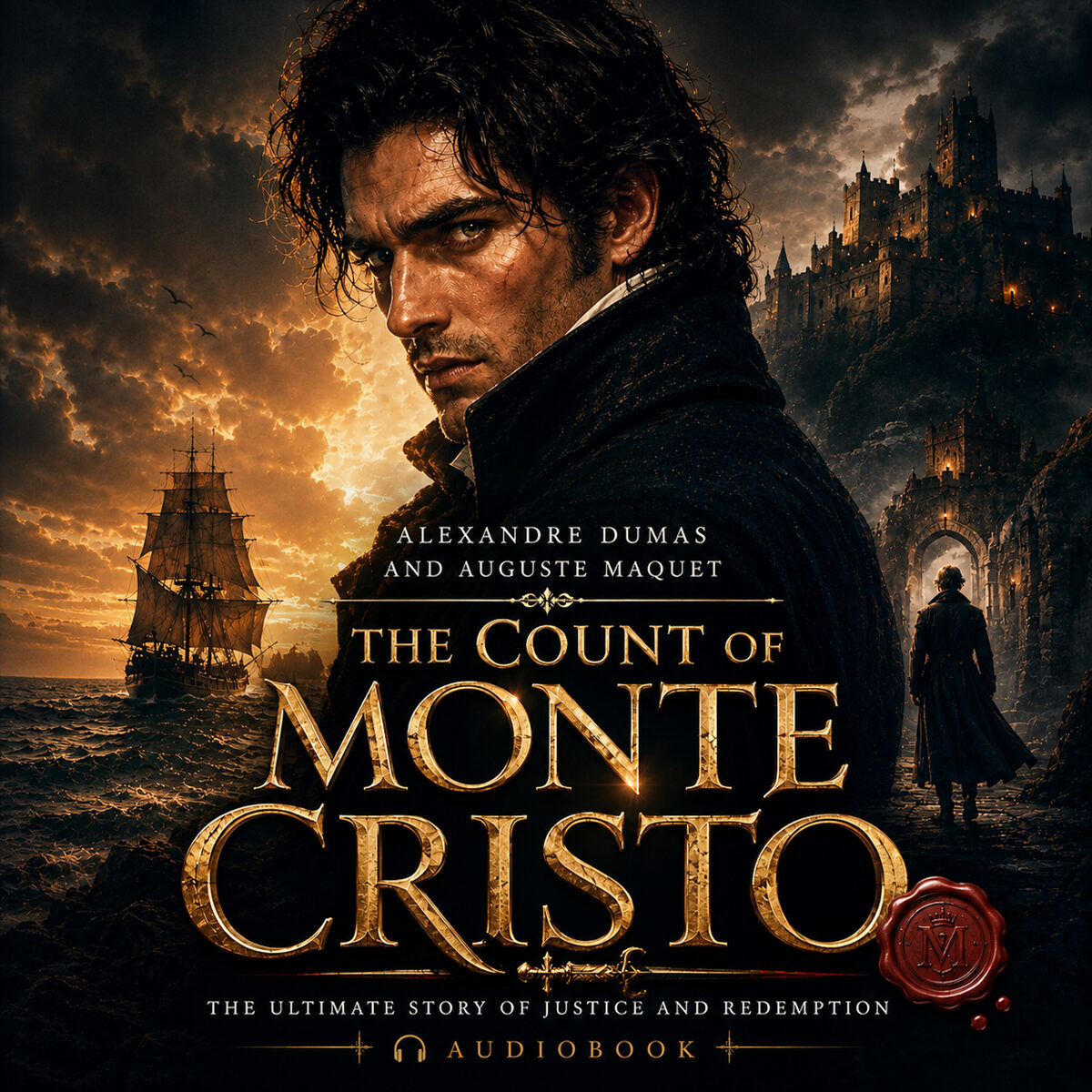
Abbé Faria is often remembered as the man with the treasure map, but that undersells him. Before he gives Edmond Dantès a fortune, he gives him a mind capable of using one. Faria’s most memorable lines are teaching tools: they distinguish facts from understanding, hope from passivity, and friendship from mere usefulness. This annotated set follows those ideas through the Château d’If.
“Learning does not make one learned”
“Learning does not make one learned: there are those who have knowledge and those who have understanding.”
Faria says this while educating Dantès in the prison. The wording varies across translations, but the context is clear: the old scholar is showing a young sailor that education is more than storing information. In plain English, facts become wisdom only when a person can connect them, test them, and use them responsibly.
The line explains why Faria teaches so broadly. Languages, history, mathematics, and science are not decorative accomplishments. Together they help Dantès investigate why he was imprisoned and imagine choices he could not previously see. A modern student can apply the lesson by explaining a concept without notes, applying it to a new case, and asking who might be harmed if the knowledge is misused.
“Philosophy cannot be taught”
“Philosophy cannot be taught; it is the application of the sciences to truth.”
Faria is not rejecting teachers. His own life proves teaching matters. He means that no one can hand over finished judgment. A mentor can provide questions and methods, but a student must apply them to reality. Dantès has to decide what justice means after the evidence of his betrayal becomes clear.
The line also prepares readers for the Count’s later moral errors. Dantès learns strategy brilliantly, yet he sometimes applies knowledge to a desired verdict instead of examining the whole truth. Faria’s standard therefore remains active after his death: education should make a person more discerning, not merely more formidable.
“The friends we have lost”
“The friends we have lost do not repose under the ground; they are buried deep in our hearts.”
Although the exact speaker and placement can shift in English editions, the sentiment belongs to the emotional world Faria creates. His death is the central loss of Dantès’s prison life, but his influence continues. Memory does not replace the friend; it gives the friend a continuing presence in choices and habits.
That is why Faria is a mentor rather than a plot coupon. A treasure can change circumstances, but a remembered teacher can change the meaning of circumstances. Someone today might honor a late mentor by practicing their generosity, keeping their questions alive, or teaching another person what they were taught.
How to read Faria’s wisdom
Faria’s quotes work together. Knowledge demands understanding; understanding demands application; application demands moral judgment; and friendship gives learning a human purpose. He helps Dantès escape a literal prison, but his deeper achievement is helping him escape the belief that his past has already decided his future.
Readers should also keep translation in view. The novel was written in French, and public-domain English editions differ in sentence rhythm, capitalization, and word choice. These lines are best cited with the edition and chapter a reader used, rather than treated as an unchanging English original.
Takeaway: Faria’s wisdom asks what knowledge does inside a life. Continue with our full Faria character study, or compare his teaching with the Count’s final advice to wait and hope.