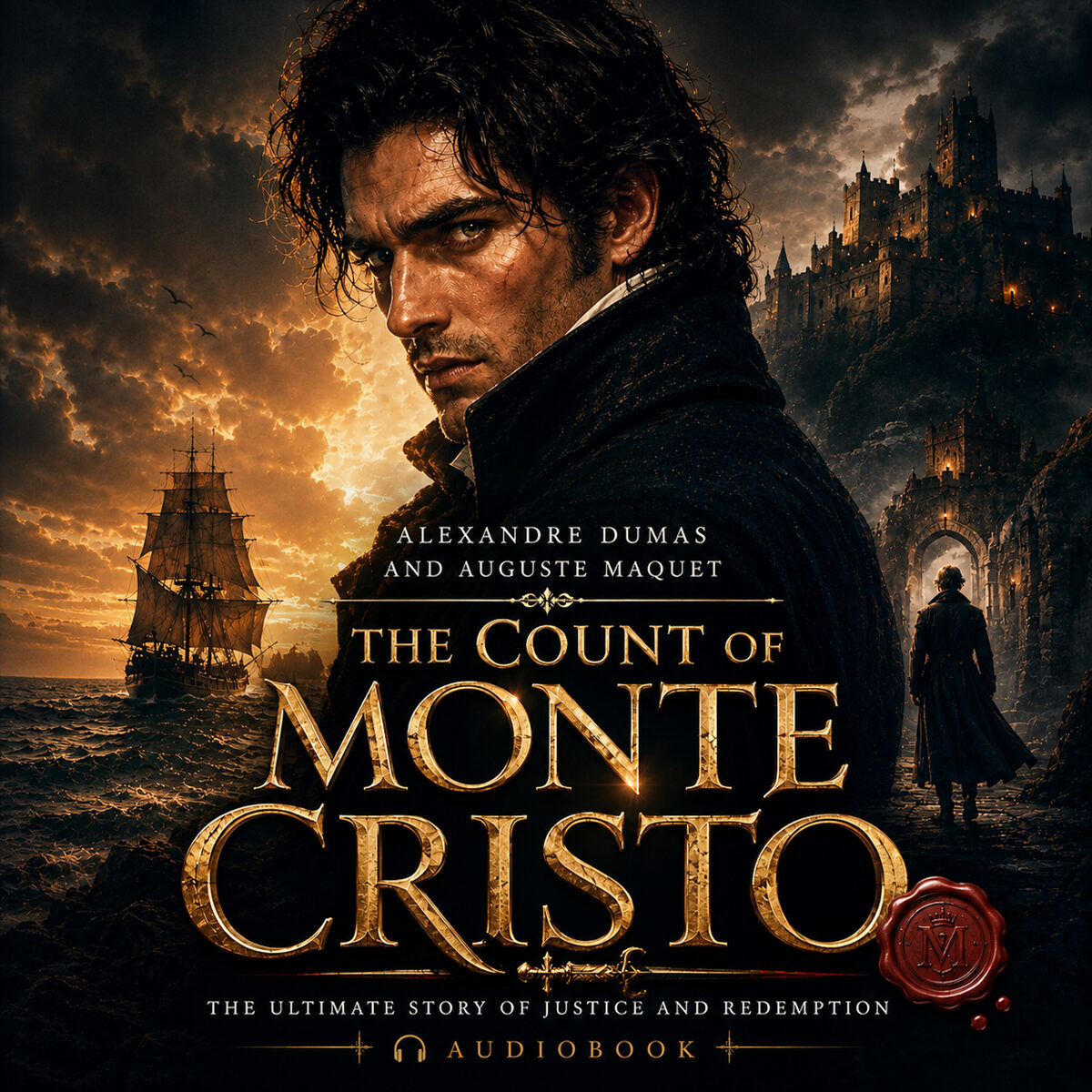
“Wait and hope” is the line readers carry away from The Count of Monte Cristo, but it is easy to mistake the sentence for a decorative slogan. In Alexandre Dumas’s novel, waiting is never empty. It is the tense, difficult work of surviving uncertainty while staying ready for a future that cannot yet be seen.
Who says it, and where?
The words belong to Edmond Dantès, writing as the Count of Monte Cristo near the novel’s conclusion. After years of imprisonment, education, wealth, revenge, and moral doubt, he leaves a final message for Maximilien Morrel and Valentine de Villefort. The wording varies slightly among English translations; this reading follows the familiar public-domain version: “Until the day when God will deign to reveal the future to man, all human wisdom is contained in these two words: ‘Wait and hope.’” The important context is a farewell letter, not a casual dinner-table quip.
That location matters. The Count has spent the story acting with astonishing speed: he escapes the Château d’If, finds the treasure, changes identities, and builds elaborate plans. His advice is therefore not the advice of someone who has never acted. It is the conclusion of a person who has learned that action cannot command every result.
Waiting is not passivity
Passive waiting says, “Nothing I do matters.” The Count’s version says, “I cannot force the next chapter, but I can decide how I meet it.” Dantès waits in prison, yet he studies languages, history, science, and strategy with Abbé Faria. He turns confinement into preparation. Hope gives that preparation a direction; it keeps knowledge from becoming mere distraction.
This distinction makes the quote surprisingly practical. Waiting for a job decision can mean sending one thoughtful follow-up, improving a portfolio, and preparing for either answer. Waiting for recovery can mean keeping appointments and accepting small gains instead of demanding a dramatic cure. Waiting for trust to return after a mistake can mean behaving consistently without insisting that another person forgive on your schedule. None of those actions guarantees an outcome. They do make the waiting meaningful.
The literary and moral weight
Dumas places this gentle sentence after a plot powered by revenge. That contrast gives it an edge. The Count once believed he could become Providence itself, assigning rewards and punishments to everyone around him. By the end, “hope” includes humility: other people have agency, the future remains hidden, and even a brilliant plan can injure the innocent. The line does not erase his actions, but it shows a man learning to release control.
It also protects hope from becoming optimism. Hope in this book has looked directly at grief, betrayal, and the possibility of death. It is closer to endurance than cheerfulness. A reader facing a long application process, a strained relationship, or an uncertain diagnosis may find that honesty more useful than a promise that everything will work out.
A modern practice for the phrase
Try dividing a difficult wait into two columns: “not mine to control” and “mine to prepare.” Put the hiring manager’s decision in the first column and your interview notes in the second. Put another person’s feelings in the first and your apology and future conduct in the second. This small exercise turns the Count’s sentence into a method rather than a poster.
Takeaway: “Wait and hope” means remain patient without becoming inert. Prepare carefully, accept uncertainty, and leave room for a future larger than your current plan. For more context, compare this ending with our guide to the novel’s best quotes and the ultimate reading guide.