Quick answer
For a teen who has asked for English-reading ideas, focus on language confidence, genuine interests, and optional support. Compare samples, distinguish language level from maturity, and verify aligned text and audio if requested.
Choosing a book for a teen who has asked for English-reading ideas starts with language confidence, genuine interests, and optional support. Teenagers do not share one reading level, one genre, or one set of life experiences. Ask what this reader enjoys and what kind of gift would feel welcome. This guide compares two possible directions, shows where each may not fit, and offers a note you can adapt without making the present a reading assignment.
Selection checks for this teen
Compare samples, distinguish language level from maturity, and verify aligned text and audio if requested.
A recent favorite, a public wish list, or a natural question about format is better evidence than a stereotype about age or gender. Ask whether they want an absorbing story, separate short pieces, a visual narrative, or explanatory nonfiction. Do not interpret reading speed as emotional readiness. If a particular subject is sensitive, use a broad interest rather than asking the teen to disclose private information.
A reading format is not an ability label
Graphic stories, audio, large print, short narratives, and digital text can all be legitimate reading preferences. Do not describe one as a lesser form or assume that a teen choosing pictures cannot handle complex ideas. Ask what is comfortable and usable. For digital delivery, verify device, region, and lawful account arrangements before purchase; a family-managed device may need an adult to redeem a gift appropriately. For physical editions, check the actual print, binding, and contents. An adaptation should be labeled honestly. If a format preference is clear, prioritize it over a general idea of what looks impressive when wrapped.
Two directions to compare, not a required shortlist
These examples are not automatic age approvals. Read a legitimate sample and check current publisher or reputable content information when themes matter. Choosing neither is reasonable if the teen wants another genre, format, subject, or edition. A book adjacent to an interest is not necessarily the practical reference they asked for.
The Wild Robot — Peter Brown
An illustrated adventure joining a robot, wildlife, and questions about adaptation and care. It can offer a visual entry into a story for a reader who enjoys nature or imaginative technology.
Suitability and scope: Includes danger and loss. It is middle-grade fiction; ask whether its style appeals rather than assuming a younger-market book is either too simple or automatically suitable.
Flipped — Wendelin Van Draanen
A story using two perspectives to explore changing impressions, family, and an early romantic connection. Compare it for a reader who wants character-focused fiction rather than assuming all teens want romance.
Suitability and scope: Review family themes, disability portrayal, and relationship content. Romantic interest should be the reader's choice, not a comment on their private life.
A hypothetical gift decision
They understand complex ideas but want clearer prose in English. Avoid infantilizing the choice; inspect an interesting story's sample and label any graded adaptation honestly.
Use that example as a planning exercise, not a testimonial. In your own situation, compare each option against language confidence, genuine interests, and optional support. If the reader's answer points away from the first idea, adjust the gift. A successful selection process can end with a different book or with choosing together. There is no need to defend a title simply because it appeared on a gift list.
Check the actual edition before buying
Verify title, author, publisher, and format in the listing. For a classic, check translator where applicable and whether the text is complete or adapted. For a young-readers edition, confirm that exact edition rather than assuming a similar cover identifies it. A summary or workbook is not the same product as the story. For collections, inspect contents, illustrations, type size, and the physical weight if those affect use.
Series titles deserve a duplicate check and a conversation about commitment. A reader may own the first volume digitally, borrow it from a library, or prefer not to start another series. A different binding is useful only if it is wanted. Do not claim that a rare-looking cover establishes collectibility or future value. Keep a gift receipt where available and use a separate card if a permanent inscription would prevent an exchange.
Deliver a usable format, not an account problem
Ask whether print, ebook, or audio suits the teen's existing habits. For audio, sample the narrator and verify completeness. For digital gifts, check the provider's current region, age, account, and redemption rules. Involve the appropriate adult for family-managed accounts without requesting passwords. A stream link, library loan, subscription credit, and purchased title are different forms of access; describe honestly what the gift provides.
For physical delivery, confirm the address through an appropriate agreed channel rather than seeking private information from another person. Include delivery and wrapping in a comfortable budget. A clean used copy can be thoughtful when condition is clear and acceptable. Avoid unauthorized downloads or vague listings. Carrier estimates and digital access should be checked before you promise arrival or compatibility.
A respectful gift note for this reader
I hope you enjoy the story at your own pace. It is reading for you, not a test.
With warm wishes,
[Your name]
Replace the sign-off and remove any language that sounds unlike you. Keep the note about enjoyment or an interest the reader has volunteered. Do not comment on grades, appearance, money, health, identity, or a private school problem. An encouraging gift is not a diagnosis. If you use a quotation, verify its words and attribution rather than copying an unconfirmed image; your own clear words are often more personal.
Use the Book Gift Finder as a starting point
The Book Gift Finder uses age, job or everyday role, and one interest or challenge to return one curated book and a copyable note. For a teen, student is a possible role, but the actual interest is the important clue. The tool works locally in the browser and does not store or transmit the answers. Avoid unnecessary personal detail.
The finder does not contain every title in this guide. Its age filters are curated selection rules, not universal publisher ratings or an independent assessment of emotional readiness. Review the result's explanation and then check format, ownership, content, and availability yourself. A weak match should prompt another question, not a confident purchase. You can use, change, or ignore the suggested note.
Give the teen room to decide
Do not ask for progress reports or turn the present into a reading challenge unless the teen specifically welcomes that activity. They can appreciate a gesture without finishing the book. A light offer to exchange the title or format keeps the gift comfortable. If discussion is wanted, invite it without spoilers and without requiring the reader to relate the story to their own life.
Before checkout, return to the key focus: language confidence, genuine interests, and optional support. Check that the selection answers the reader's actual request, not a nearby keyword. Then verify edition, suitability, price, access, and return terms. A practical reference needs practical contents; a narrative may simply be enjoyable. One clearly chosen book is often better than several titles added to satisfy a promotion.
About the regular Book4U recommendations below
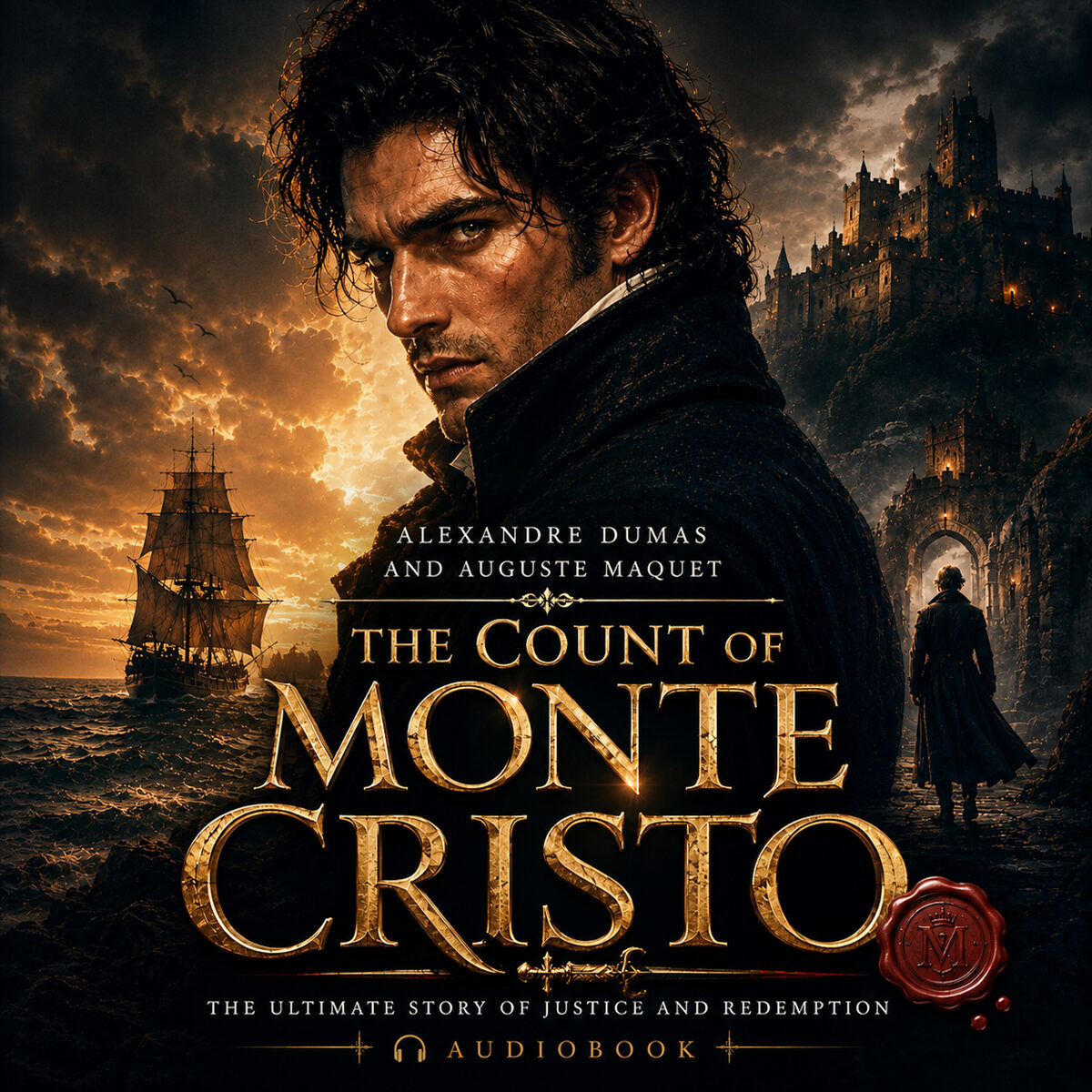
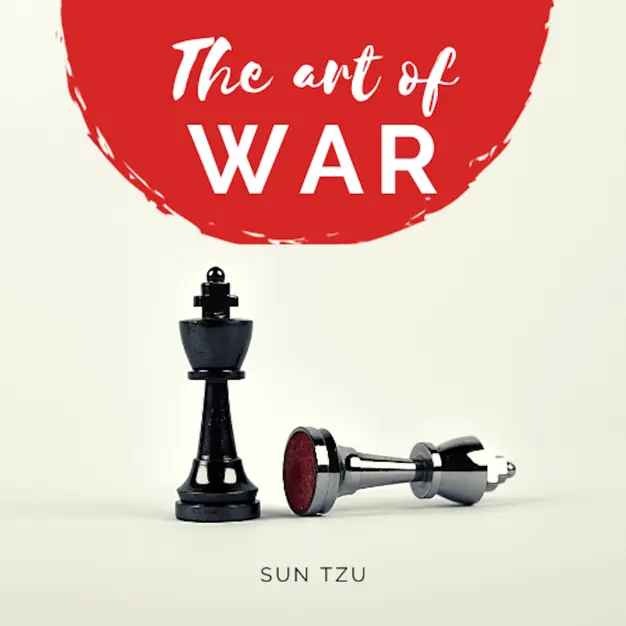
The usual site-wide listening section follows this guide, as on other gifting articles. It is general-audience browsing, not a teen-approved reading list. The Count of Monte Cristo is long and includes difficult themes. Think and Grow Rich contains historical motivational and financial claims that should be read critically, not as financial evidence or promises. The Art of War is a historical military-strategy text, not a guide to treating people as opponents. Review the exact edition and suitability before choosing any of them for a teen.
Related teen book-gifting guides
- Book Gifts for Teens Who Read Occasionally
- Book Gifts for Teens Who Read Widely
- Book Gifts for Bilingual Teens
Frequently asked questions
What should I consider for book gifts for teens learning english?
For a teen who has asked for English-reading ideas, focus on language confidence, genuine interests, and optional support. Compare samples, distinguish language level from maturity, and verify aligned text and audio if requested.
Does a teen age label guarantee that a book is suitable?
No. Check the specific edition, themes, language, and reader's preferences. For younger readers, consult a caregiver where appropriate. Age is a clue, not a guarantee.
What should I write in this teen's gift note?
I hope you enjoy the story at your own pace. It is reading for you, not a test. Adapt the wording to your relationship and keep private information out of the message.
Are the usual recommended books at the end automatically teen-approved?
No. They are general-audience site recommendations. Review content, edition, length, historical claims, and the teen's readiness before choosing one.