Introduction
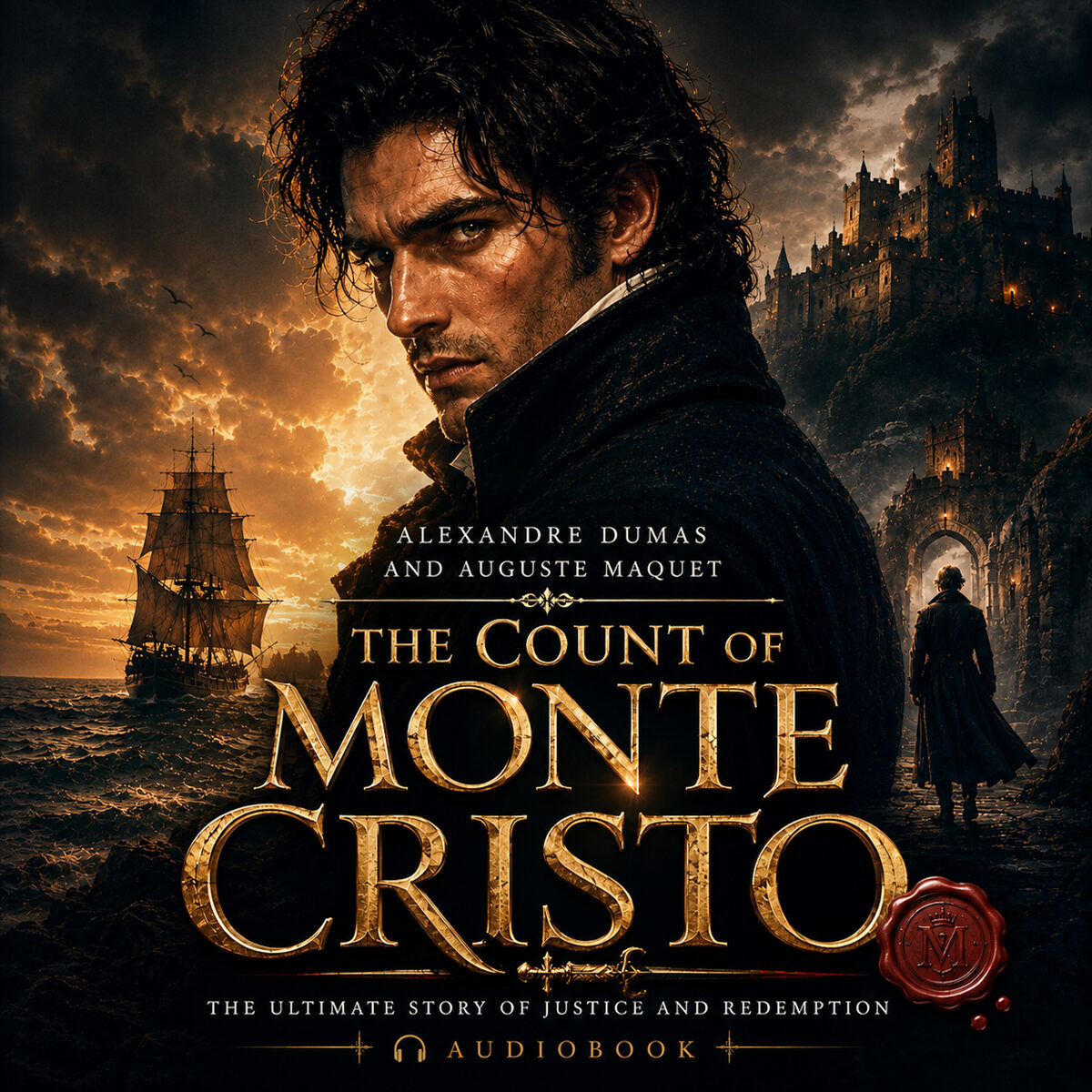
Religion and faith play pivotal roles in The Count of Monte Cristo, serving as both thematic underpinnings and crucial plot elements. Through its exploration of divine providence, moral judgment, and spiritual transformation, the novel presents a complex meditation on the intersection of human and divine justice.
Listen to the Spiritual Journey:
Listen on SpotifyReligious Context in 19th Century France
Historical Background
- Post-Revolutionary Religious Climate
- Restoration of Catholicism
- Church-State relations
- Religious revival movement
- Secular influences
- Social Role of Religion
- Moral authority
- Educational influence
- Cultural impact
- Class distinctions
Religious Themes and Motifs
Divine Providence
The concept of divine providence serves as a central theme throughout the novel:
- Providence versus Free Will
- Human agency and divine plan
- Moral responsibility
- Fate versus choice
- Divine intervention
- The Count as Providence
- Self-appointed role
- Moral implications
- Power and responsibility
- Divine judgment
"I am the angel of God sent to strike down the wicked and exalt the good."
Redemption and Forgiveness
The novel explores various paths to spiritual redemption:
- Personal Transformation
- Spiritual growth
- Moral awakening
- Inner struggle
- Path to forgiveness
- Divine Mercy
- God's forgiveness
- Human mercy
- Redemptive suffering
- Spiritual healing
Religious Characters
Abbé Faria
The wise priest serves as both spiritual and intellectual mentor:
- Spiritual Guidance
- Religious instruction
- Moral teachings
- Faith in adversity
- Divine wisdom
- Mentorship Role
- Educational influence
- Character formation
- Philosophical guidance
- Legacy of wisdom
Abbé Busoni
The Count's religious disguise reveals complex spiritual themes:
- Symbolic Significance
- Religious authority
- Moral judgment
- Divine intervention
- Spiritual power
- Role in Plot
- Information gathering
- Moral influence
- Character manipulation
- Divine representation
Religious Symbolism
Biblical Parallels
The novel incorporates numerous biblical references and symbols:
- Christ Figures
- Suffering servant
- Resurrection motif
- Divine justice
- Sacrificial themes
- Old Testament Themes
- Vengeance versus mercy
- Divine judgment
- Prophetic role
- Covenant symbolism
Faith and Transformation
Spiritual Journey
Characters undergo profound spiritual transformations:
- The Count's Evolution
- Loss of innocence
- Crisis of faith
- Spiritual rebirth
- Moral development
- Other Characters
- Religious conversion
- Moral awakening
- Spiritual growth
- Faith journey
The Role of the Church
Institutional Religion
The novel examines the church's various roles:
- Social Function
- Moral authority
- Social structure
- Cultural influence
- Community role
- Critique and Commentary
- Institutional corruption
- Religious hypocrisy
- True faith versus formality
- Spiritual authenticity
Modern Interpretations
Contemporary Relevance
The novel's religious themes continue to resonate:
- Philosophical Impact
- Moral philosophy
- Ethics and religion
- Faith in modern world
- Spiritual questions
- Cultural Significance
- Religious dialogue
- Moral discourse
- Spiritual exploration
- Contemporary faith
Conclusion
The religious and spiritual elements in The Count of Monte Cristo serve as more than mere plot devices or historical context. They form an integral part of the novel's exploration of justice, morality, and human nature. Through its complex treatment of faith, providence, and redemption, the novel offers profound insights into the relationship between divine and human justice, the nature of forgiveness, and the possibility of spiritual transformation.
These themes continue to resonate with modern readers, offering timeless perspectives on the role of faith in human life and the eternal questions of justice, mercy, and moral responsibility. The novel's sophisticated treatment of religious themes contributes significantly to its enduring power as a masterpiece of world literature.