Introduction: A Tale That Transcends Time
Few literary works have captured the human imagination quite like Alexandre Dumas' "The Count of Monte Cristo." Published in 1844, this masterpiece has continued to enthrall readers and audiences for nearly two centuries, spawning numerous adaptations across various media. Today, we embark on an extensive journey through both the literary brilliance of the original work and its most notable screen adaptations, including the highly anticipated 2024 version.
Part I: The Literary Masterpiece
The Genesis of a Classic
Alexandre Dumas crafted "The Count of Monte Cristo" during a pivotal period in French literature. The novel was initially published as a serialized work in the Journal des Débats from 1844 to 1846, a common practice for novels of that era. This serialization format influenced its structure, creating the perfect blend of suspense and satisfaction that keeps readers engaged through its lengthy narrative.
The inspiration for the tale came from a true story Dumas found in the police archives - that of Pierre Picaud, a shoemaker who was falsely accused of being an English spy in 1807. Like Edmond Dantès, Picaud was imprisoned, later escaped, discovered a treasure, and sought revenge against those who wronged him. Dumas transformed this basic premise into an intricate tapestry of revenge, love, and redemption that would become one of literature's most enduring stories.
The Novel's Structure and Themes
At its core, "The Count of Monte Cristo" is structured as a revenge narrative, but its complexity extends far beyond simple vengeance. The novel explores several interconnected themes:
- Justice vs. Revenge: The central conflict between divine justice and personal vengeance
- Transformation: The physical and psychological metamorphosis of Edmond Dantès
- Providence: The role of fate and divine intervention in human affairs
- Love and Betrayal: The complex relationships that drive the narrative
- Class and Society: A critique of 19th-century French social structures
Character Complexity
Dumas populated his novel with a rich tapestry of characters, each serving as a vital thread in the narrative fabric:
Primary Characters:
- Edmond Dantès/The Count: The protagonist whose journey from naive sailor to sophisticated avenger forms the narrative's backbone
- Mercédès: Dantès' fiancée, whose life takes an unexpected turn after his imprisonment
- Fernand Mondego: The fisherman whose jealousy sets the tragedy in motion
- Gérard de Villefort: The ambitious prosecutor who sacrifices Dantès for his career
- Baron Danglars: The envious purser who initiates the false accusation
Secondary Characters:
- Abbé Faria: The priest who educates Dantès and reveals the treasure's location
- Albert de Morcerf: Mercédès' son, who plays a crucial role in the Count's revenge
- Haydée: The Count's ward and a key player in his vengeance
- Maximilian Morrel: A young man whose fate becomes intertwined with the Count's
Part II: From Page to Screen - The Evolution of Adaptations
Early Adaptations (1908-1950)
The first film adaptation of "The Count of Monte Cristo" appeared in 1908, marking the beginning of the story's cinematic journey. These early adaptations, limited by the technology of their time, focused primarily on the revenge aspect of the story, often simplifying the complex narrative for the screen.
The Golden Age (1950-1980)
This period saw some of the most memorable adaptations, including international versions that brought different cultural perspectives to the story. The 1975 Richard Chamberlain television film became particularly notable for its faithful representation of the source material.
Modern Interpretations (1980-2023)
Recent decades have seen various approaches to adapting the story, with the 2002 Jim Caviezel version standing out for its balance of action and drama. These modern adaptations often emphasize the psychological aspects of Dantès' transformation while maintaining the story's adventure elements.
Part III: The 2024 Adaptation - A New Vision
Production and Vision
The 2024 adaptation represents a fresh take on the classic tale, utilizing modern filmmaking techniques while remaining true to the source material's spirit. The production team has focused on creating a visually stunning period piece that speaks to contemporary audiences.
Technical Achievement
The film showcases groundbreaking cinematography and visual effects that bring 19th-century France to life with unprecedented realism. The attention to historical detail in costumes, sets, and props creates an immersive experience that transports viewers to Dantès' world.
Cast and Performances
The carefully selected cast brings new depth to these iconic characters, with performances that honor the source material while offering fresh interpretations. The chemistry between the leads particularly stands out, making the emotional core of the story more powerful than ever.
Part IV: Comparative Analysis
Novel vs. 2024 Film: Key Differences
- Timeline Compression: How the film adapts the novel's 24-year span
- Character Consolidation: Streamlining the complex web of relationships
- Plot Modifications: Necessary changes for modern audiences
- Thematic Focus: Emphasis on certain themes over others
Adaptation Successes
The 2024 version succeeds in several key areas:
- Maintaining the core emotional impact of the story
- Creating visually stunning sequences that enhance the narrative
- Developing complex character relationships effectively
- Balancing action with psychological drama
Part V: Viewing Guide
Where to Watch
The 2024 adaptation of "The Count of Monte Cristo" is available on Amazon Prime Video, making it easily accessible to viewers worldwide. The platform offers both streaming and download options for offline viewing.
Experience the Original Story
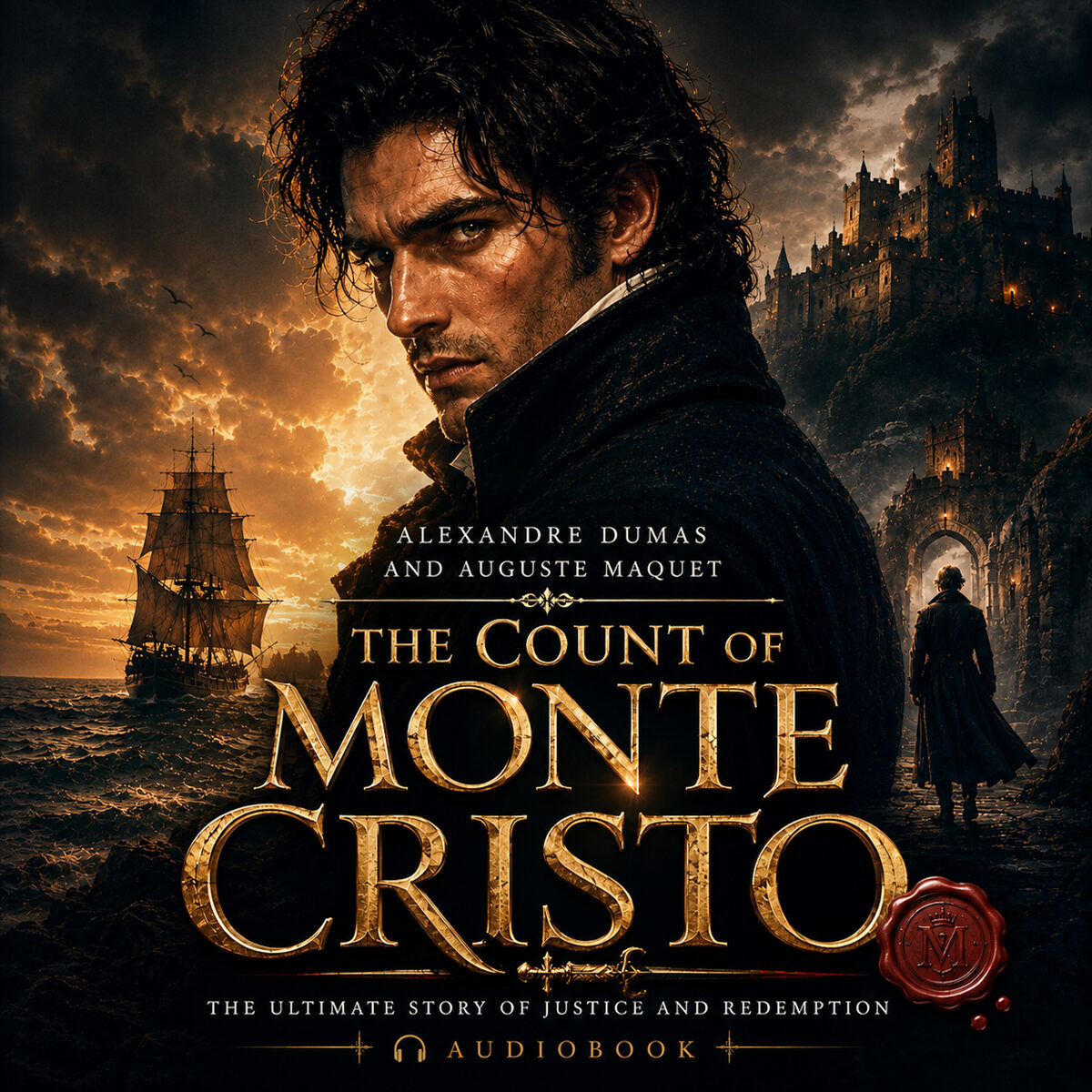
For those interested in experiencing the source material, we recommend starting with the audiobook version:
Listen on SpotifyPart VI: Impact and Legacy
Cultural Influence
The Count of Monte Cristo has left an indelible mark on popular culture, influencing countless works across various media. Its themes of revenge and redemption have become archetypal, and its plot devices continue to inspire modern storytellers.
Modern Relevance
The story's themes remain surprisingly relevant to contemporary audiences:
- The nature of justice in an imperfect system
- The psychological cost of revenge
- The power of personal transformation
- The complexity of human relationships
Conclusion: A Timeless Tale Renewed
The 2024 adaptation of "The Count of Monte Cristo" stands as a testament to the enduring power of Dumas' narrative. While maintaining the core elements that have made the story beloved for generations, it brings fresh perspective and modern filmmaking techniques to create a compelling new version for contemporary audiences.
Whether you're a longtime fan of the novel or new to the story, the combination of the original text and this latest adaptation offers a rich, multifaceted experience of one of literature's greatest revenge tales. The Count of Monte Cristo continues to prove itself as a story that transcends time, speaking to fundamental human experiences of betrayal, justice, and redemption.
Experience Both Versions
To fully appreciate this masterpiece, we recommend both reading the original novel and watching the new adaptation. Start with the audiobook version today:
Listen on Spotify