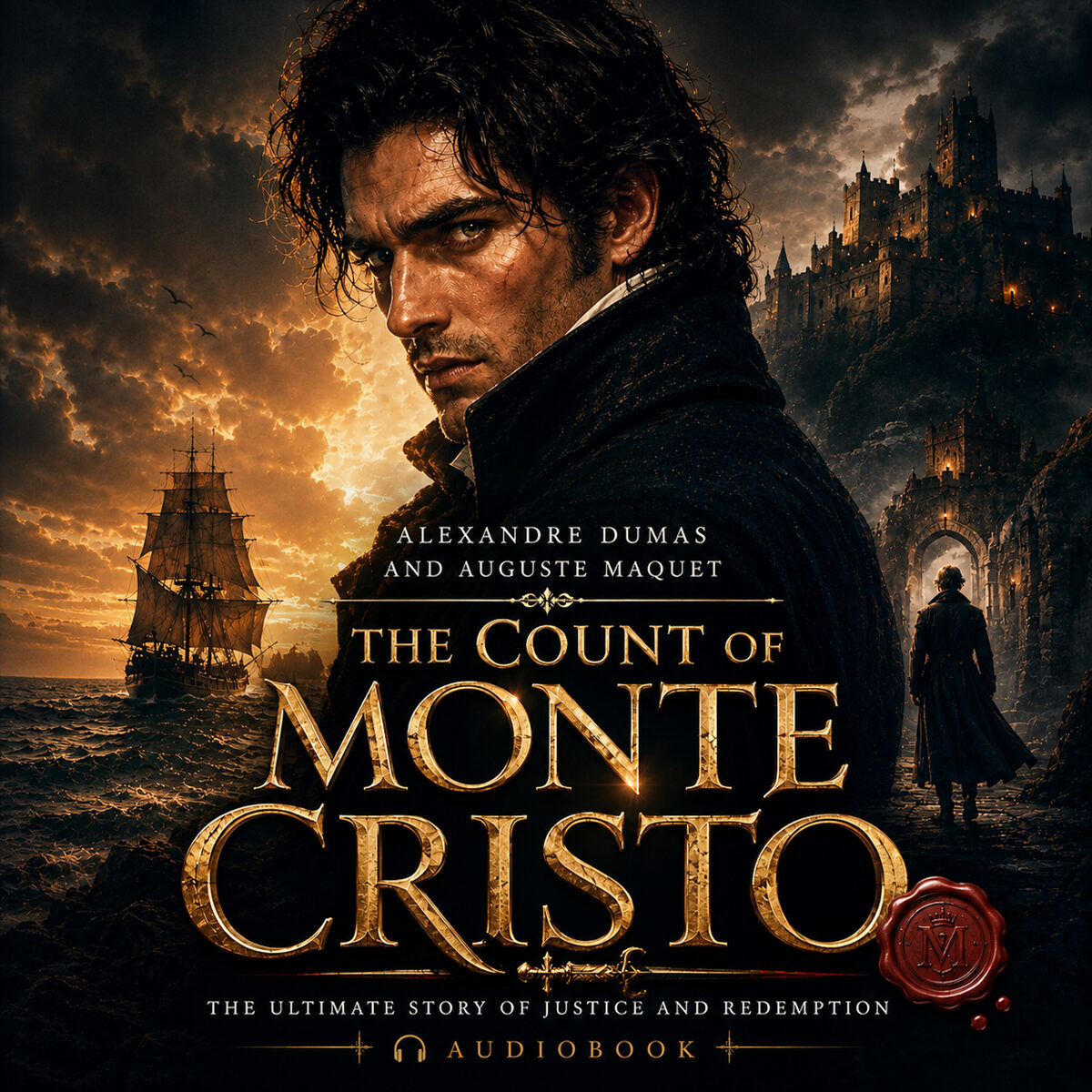
“Learning does not make one learned: there are those who have knowledge and those who have understanding.” Abbé Faria’s sentence is a small education manifesto hidden inside an adventure novel. It does not insult study. It asks what study is for when facts have not yet become judgment, curiosity, or useful action.
Faria’s lesson in the Château d’If
The speaker is Abbé Faria, the imprisoned scholar who becomes Edmond Dantès’s teacher and friend. The line appears during the long intellectual apprenticeship that follows Faria’s arrival through the tunnel. Because English translations vary—some use “learned,” “instructed,” or “understanding”—the wording should be checked against the chosen edition. The scene is stable: a prisoner is teaching another prisoner how to become more than the label imposed on him.
Dantès begins prison with practical intelligence but little formal education. Faria does not merely fill his head with facts. He teaches languages, history, mathematics, science, politics, and reasoning. More importantly, he changes the way Dantès connects information. The young sailor learns to investigate the conspiracy that imprisoned him and to imagine a future beyond the cell.
Knowledge versus understanding
In plain English, Faria means that collecting information is different from grasping relationships and consequences. A student can memorize a definition without recognizing it in a real situation. A manager can know a policy without understanding how it affects a vulnerable employee. A reader can repeat a theme without allowing the book to challenge their assumptions.
The distinction has moral force in the novel. Dantès becomes extremely knowledgeable, but knowledge alone does not keep him from overreach. He can calculate a plan and still misjudge its human cost. Faria’s lesson therefore applies to the teacher’s favorite pupil too. Understanding includes self-knowledge: recognizing what fear, pride, and revenge are doing to the facts in front of you.
Why the quote matters now
Modern readers live with more accessible information than Dantès could imagine. Search results can provide an answer in seconds, but an answer is not the same as comprehension. Algorithms reward confidence, speed, and repetition. Faria would likely be suspicious of a person who can quote twenty sources but cannot explain which evidence is reliable or what a decision will do to another human being.
The quote also honors teachers. Faria’s most important gift is not a private encyclopedia. It is a relationship in which he sees Dantès as capable of growth. Education restores agency. The prisoner learns not just what the world contains, but how to ask better questions about it.
A practical study example
When preparing for an exam, try a three-step check: explain the idea without notes, apply it to a new example, and name where it could fail. A learner studying climate policy might define a carbon tax, model a household effect, and then ask who bears the cost. That final step turns memorization into understanding. It is less glamorous than discovering a treasure map, but much easier to fit in a backpack.
Takeaway: Faria values knowledge that becomes judgment, empathy, and action. Explore more of his mentorship in the Abbé Faria character study and compare this thought with his claim about philosophy.