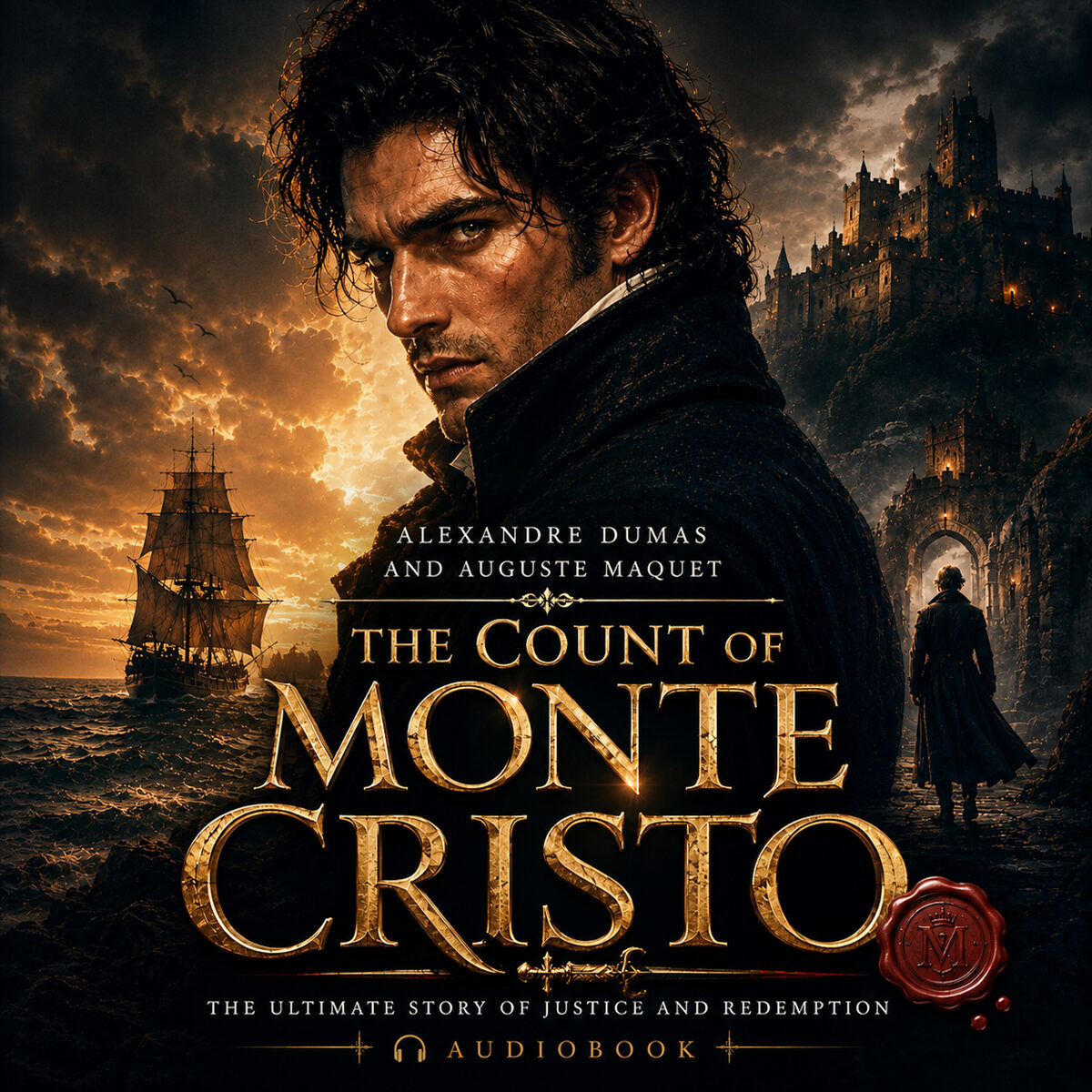
Freedom Through Wit and Timing
One of the novel's most dramatic moments is Edmond's escape from the supposedly inescapable Château d'If. After 14 years of imprisonment and a plan that takes years to develop, Edmond finally achieves freedom. The escape is brilliant, dangerous, and symbolic of his transformation from prisoner to free man.
Q: How does Edmond plan his escape?
Abbé Faria shows Edmond the tunnel he's been digging to freedom. The two conspire to complete the escape together. However, Faria dies before they can escape, forcing Edmond to execute the plan alone. Faria's death means Edmond must swap places with the dead priest's body.
Q: What happens to Faria's body?
According to prison custom, the bodies of dead prisoners are sewn into weighted sacks and thrown into the sea. Edmond places Faria's body in Faria's cell and takes his place in the sack. The guards, following routine, cast the weighted sack—with Edmond inside—into the Mediterranean.
Q: How does Edmond survive being thrown into the sea?
Edmond uses a knife to cut open the sack. Despite the weight and darkness, he manages to escape and swim to the surface. The sea, which seemed like certain death, becomes his path to freedom. It's a powerful symbolic moment—the element that surrounds the prison becomes the means of escape.
Q: Where does Edmond go after escaping?
Edmond swims to a nearby island where he recovers. Eventually, he's rescued and taken aboard a ship. He makes his way to the island of Monte Cristo, where he retrieves the treasure Abbé Faria told him about. This treasure becomes the foundation of his new identity and his means of revenge.
Q: Why is the escape significant symbolically?
The escape represents Edmond's rebirth. He literally dies as Edmond Dantès (buried at sea) and is reborn as the Count of Monte Cristo. The sea, which could have been his grave, becomes his liberator. Death and rebirth through water is a archetypal symbol of spiritual transformation.
Q: Is the escape realistic?
It's dramatic and requires luck, but it's plausible. A man could cut a sack, survive being thrown into the sea, and swim to safety. Dumas based the Château d'If on a real fortress, and escapes from such places, while rare, weren't impossible. The blend of planning and chance makes it believable.
Q: What does Faria's death represent?
Faria's death is bittersweet. He never achieves his own freedom but enables Edmond's. His legacy lives through Edmond—through the education he provided and the plan he conceived. Faria achieves a kind of immortality through his protégé's transformation.
The Escape as Turning Point
Edmond's escape from the Château d'If is the novel's crucial turning point. It's the moment when possibility becomes reality, when hope becomes freedom. From this moment, Edmond ceases to be a prisoner—physically and psychologically. The man who emerges is no longer the innocent sailor but someone transformed by suffering and education into a force capable of reshaping Parisian society.