Why This 180-Year-Old Story Still Goes Harder Than Your Ex's Revenge Era
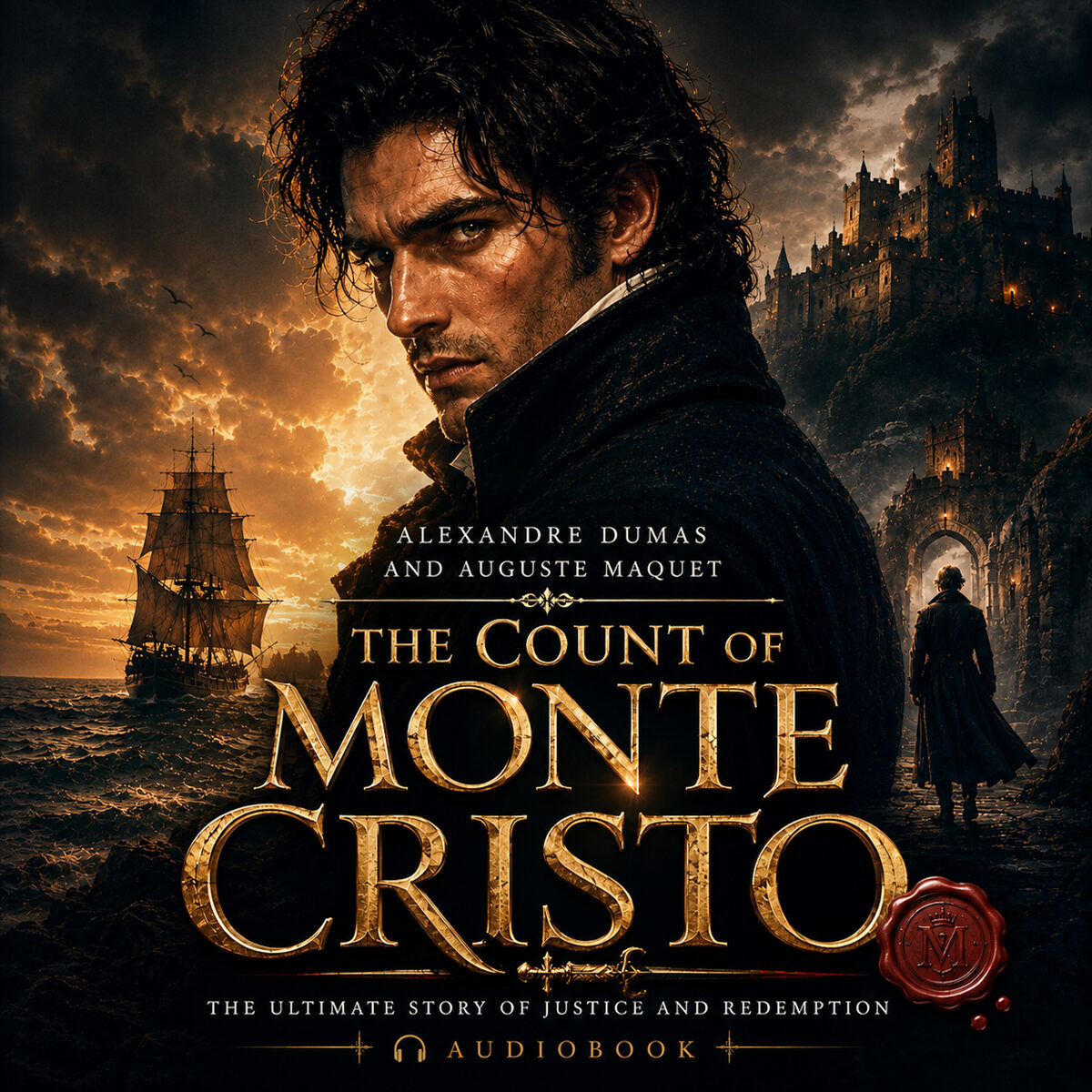
Okay, let's be real for a second. You know that feeling when someone does you dirty and you spend your shower time planning the perfect comeback? Well, Alexandre Dumas basically invented that entire vibe back in 1844 with The Count of Monte Cristo, and honestly? It's been living rent-free in pop culture's head ever since.
Picture this: You're wrongfully imprisoned for 14 years, escape with knowledge of a massive treasure, get stupid rich, and then systematically destroy everyone who wronged you while looking absolutely fabulous doing it. That's not just a story—that's the blueprint for every revenge plot you've ever loved. From Shawshank Redemption to John Wick, from Oldboy to literally every K-drama where the poor protagonist gets a glow-up and destroys their enemies—they're all Monte Cristo's children.
🔥 Hot Take Alert
The Count of Monte Cristo walked so that every "started from the bottom now we're here" story could run. Drake could never.
But here's what's absolutely wild: This book has been adapted over 200 times across every medium imaginable. We're talking movies, TV shows, anime, video games, musicals, and yes, even a Japanese space opera (because why not?). Each generation finds something new in this story, proving that revenge, redemption, and really good plot twists never go out of style.
Listen to a Dramatic Scene from Our Audiobook:
Listen on SpotifyThe Movie Adaptations That Actually Slap (And The Ones That... Don't)
When Cinema Was Still Figuring Itself Out (Silent Era 1908-1929)
Fun fact that'll blow your mind: The Count of Monte Cristo was getting the Hollywood treatment before Hollywood was even properly a thing. The first film adaptation dropped in 1908, just 13 years after cinema was invented. That's like if someone made a TikTok series adaptation the same year TikTok launched. Early adopters, am I right?
These silent film versions had to get creative as hell. Imagine trying to convey 14 years of imprisonment and elaborate revenge schemes without anyone saying a word. Directors were out here using dramatic hand gestures, intense staring contests, and title cards that read like someone's unhinged Notes app entries. The 1922 Fox Film production literally had an actor dramatically clutching pearls for a solid 30 seconds to show betrayal. Iconic behavior, honestly.
📽️ Cinema Tea:
The 1913 version was so long (released in parts) that people literally brought dinner to the theater. The original binge-watch experience!
The Golden Age Glow-Up (1930-1960)
Once movies learned how to talk, Monte Cristo adaptations went absolutely feral. The 1934 United Artists version starring Robert Donat is still considered one of the GOATs. This man served looks AND revenge in equal measure—think Timothée Chalamet energy but with 1930s mustache game.
But here's where it gets spicy: The 1943 Mexican adaptation starring Arturo de Córdova took the story and said "what if we make this even MORE dramatic?" Mexican cinema understood the assignment—they added musical numbers, extended the romance plots, and made the revenge scenes so extra that telenovelas are still taking notes. The costumes? Immaculate. The drama? Off the charts. The influence on Latin American cinema? Immeasurable.
Then France entered the chat with the 1954 Jean Marais version and basically said "this is OUR story, we're taking it back." Jean Marais was basically the Henry Cavill of his time—impossibly handsome, could sword fight like nobody's business, and had that mysterious brooding thing down to a science. French audiences lost their minds. This version was so influential it set the template for how Europeans would adapt their own classics for decades.
Modern Cinema Said "Let's Add Explosions" (1961-Present)
Look, we need to talk about the 2002 Jim Caviezel/Guy Pearce adaptation because it's basically what happens when you let someone who grew up on action movies remake a classic. Director Kevin Reynolds looked at the source material and thought, "This needs more sword fights, a hot air balloon escape, and Guy Pearce with the most punchable face in cinema history." And you know what? He was absolutely right.
This version understood something crucial: Modern audiences want their revenge served with a side of incredible action sequences. They filmed in actual Irish castles, Malta, and various gorgeous locations that made the whole thing look like a medieval Instagram feed. The sword fighting choreography? Pure cinema. The chemistry between Caviezel and Dagmara Domińczyk? Chef's kiss. The way they streamlined a 1,200-page book into 2 hours without losing the essence? That's called understanding the assignment.
🎬 Director's Cut:
The 2002 version made $75 million worldwide on a $35 million budget, proving that audiences will always show up for a good revenge story with pretty people in period costumes.
When TV Said "Hold My Remote, We're Doing This Right"
The Miniseries Revolution (AKA The Original Binge-Watch)
Television producers looked at this absolute unit of a book and thought, "You know what? Two hours isn't enough. We need like... 10 hours minimum." And thus, the Monte Cristo miniseries was born. The 1956 BBC version was groundbreaking—it was one of the first times TV said "we're not just radio with pictures anymore, we're going to tell epic stories."
But the real game-changer? The 1975 ITV adaptation starring Richard Chamberlain. This absolute masterpiece understood that TV's superpower is time. They could actually show Dantès' transformation from naive sailor to vengeful Count without speedrunning through it. Chamberlain brought such depth to the role that people literally called in sick to work to watch the finale. That's influence, baby.
The French weren't about to let the Brits have all the fun though. Their 1979 miniseries with Jacques Weber is considered by many to be the most faithful adaptation ever made. It's 6+ hours of pure dramatic excellence, and Weber's portrayal is so intense that French literature teachers still use clips in their classes. This version said "we're adapting EVERYTHING" and actually meant it—even the subplot about Villefort's illegitimate son that most adaptations pretend doesn't exist.
📺 Streaming Era Update:
Netflix, Hulu, and other platforms have been trying to get a new Monte Cristo series off the ground for years. The latest rumor? A modern-day tech billionaire revenge saga set in Silicon Valley. Because of course.
When Anime Said "Let's Make This Even More Extra"
Okay, we NEED to talk about Gankutsuou: The Count of Monte Cristo (2004) because this anime did something absolutely unhinged and it worked. They set the story in the year 5814, in space, with aliens, and psychedelic animation that looks like someone ate a box of crayons and had the best trip of their life. The Count is literally a space vampire. Mercedes has blue skin. There are mecha duels. And somehow it's one of the most faithful adaptations to the emotional core of the story.
This is what happens when Japanese creators look at French literature and go "bet, but what if we add our whole entire soul to this?" The animation style uses this technique where they layer textures that don't move with the characters, creating this otherworldly effect that perfectly captures the Count's supernatural revenge vibes. It's like if Dumas and Studio Ghibli had a baby that was raised by David Bowie.
But Gankutsuou wasn't even the first anime adaptation! There have been at least three others, including a 1979 version that's basically "what if Monte Cristo but everyone has huge eyes and perfect hair?" Each one brings something different to the table, proving that this story translates across cultures better than your friend who studied abroad for one semester.
Broadway Enters the Chat (With Jazz Hands)
When Theater Kids Got Their Hands on It
Listen, theater people saw Monte Cristo and immediately thought "this needs more dramatic lighting and a rotating stage." The story hit the stage while Dumas was literally still alive—the man got to see his own work adapted into theater, which is like seeing your tweets turned into a Netflix show while you're still posting.
The thing about stage adaptations is they have to get CREATIVE. You can't exactly have a realistic prison scene when your entire set is made of painted wood and hope. So what did they do? They went full metaphorical. The 2008 West End production used shadows and mirrors to represent Dantès' transformation, with the actor literally stepping through a mirror to become the Count. Shakespeare could never.
But here's the tea: The most successful stage adaptations are the ones that lean into the melodrama. This story was MADE for theatrical gasps and dramatic fainting. One production in Russia literally had the audience vote on whether the Count should forgive his enemies at the end. Democracy in action, folks.
The Musical Versions That Nobody Asked For (But We Got Anyway)
In 2009, someone really sat down and thought, "You know what The Count of Monte Cristo needs? Show tunes." And thus "The Count of Monte Cristo: The Musical" was born, featuring such bops as "I Will Be (Revenged)" and "Hell to Your Doorstep." I'm not making these up. These are real song titles that real people performed on real stages.
The wildest part? It actually works. The musical format lets them explore Dantès' internal journey through song, which is basically what we all do in the shower anyway. There's a Korean musical version that's been running on and off since 2010 and it's apparently INCREDIBLE—full of K-pop energy and dramatic ballads that would make even the most stoic person cry.
🎭 Stage Secret:
There's also a ballet version where the Count's revenge is expressed entirely through interpretive dance. The prison scene is just 15 minutes of aggressive contemporary dance. Art.
How Monte Cristo Literally Changed Literature Forever (No Cap)
The Book That Spawned a Thousand Books
Real talk: If you've ever read a book where someone gets betrayed and comes back for revenge, you can thank Monte Cristo for that blueprint. This book didn't just influence literature—it created an entire revenge fantasy template that authors are still copying and pasting to this day.
Let's talk about Stephen King's "Rita Hayworth and Shawshank Redemption"—yeah, the story that became that movie your dad won't stop quoting. King literally admitted that Monte Cristo was a huge influence. Andy Dufresne crawling through that pipe? That's Dantès escaping Château d'If energy. The patient revenge against the warden? Pure Count vibes. The treasure that funds the escape? Come on, King wasn't even trying to hide it.
But it goes deeper. Alfred Bester's "The Stars My Destination" (1956) is literally Monte Cristo in space. The protagonist, Gully Foyle, gets abandoned in space, discovers a fortune, transforms himself, and seeks revenge. Bester just looked at Dumas' plot and said "what if we add teleportation?" and called it a day. And it's AMAZING.
📚 Books That Are Basically Monte Cristo's Children:
- V for Vendetta - Prison? Check. Transformation? Check. Elaborate revenge? Oh honey, CHECK.
- The Lies of Locke Lamora - Con artist gets revenge on those who wronged him using elaborate schemes and disguises.
- The Kite Runner - Guilt, redemption, and consequences spanning decades.
- Ready Player One - Poor kid gets access to immense wealth/power, uses it to defeat corrupt enemies.
The Graphic Novel Glow-Up
When graphic novels started becoming a thing, Monte Cristo was RIGHT THERE. The story is literally perfect for visual storytelling—you've got costume changes, dramatic reveals, sword fights, and treasure. What more could an artist want?
The 2008 graphic novel adaptation by Alfred Bester and Dan Spiegle understood that comics could do something unique: show Dantès' internal transformation through visual metaphor. They drew his time in prison as literal darkness consuming him, with knowledge from Abbé Faria appearing as light breaking through. It's the kind of visual poetry that makes English teachers cry.
Marvel and DC have both done their own spins too. There's literally a Marvel character called "The Count Nefaria" who's basically evil Monte Cristo with superpowers. DC gave us "The Batman of Zur-En-Arrh" which is... look, it's complicated, but trust me, the Monte Cristo DNA is there.
Monte Cristo in the Age of TikTok and Video Games
When Gaming Said "This Would Make a Fire RPG"
Y'all, the fact that there isn't a AAA Monte Cristo video game is honestly criminal. But that hasn't stopped developers from trying. There have been at least five video game adaptations, and each one is... an experience.
The 2008 PC game tried to be Assassin's Creed before Assassin's Creed was cool. You played as Dantès, sneaking around, gathering intel on your enemies, and occasionally sword fighting. The revenge meter that filled up as you destroyed your enemies' lives? *Chef's kiss* to whoever thought of that game mechanic.
But here's where it gets interesting: Games like Dishonored and Assassin's Creed: Unity are basically Monte Cristo simulators even if they don't admit it. Wrongfully imprisoned protagonist? Check. Supernatural/special abilities gained during imprisonment? Check. Returning to society in disguise to exact revenge? Check, check, CHECK. The developers know exactly what they're doing.
🎮 Gamer's Take:
The mobile game "Choices: Stories You Play" has a Monte Cristo storyline where YOU get to decide how to revenge. It's gotten over 10 million downloads. People really said "I want to control the revenge personally" and the developers delivered.
Social Media and the Memeification of Revenge
TikTok has done something absolutely wild with Monte Cristo—it's turned it into relationship advice. There are literally thousands of videos tagged #MonthCristoEnergy where people share their glow-up revenge stories. "He cheated on me so I got hot, got rich, and now his best friend is in my DMs" is basically the modern Monte Cristo narrative and I'm here for it.
BookTok has also gone absolutely feral for Monte Cristo. There are aesthetic videos of people reading it in cafes with moody filters. Dramatic readings of the revenge scenes with background music that goes unnecessarily hard. Someone even created a 47-part TikTok series summarizing the entire plot with Gen Z slang and it has 3 million likes. Dumas would either be proud or confused. Probably both.
Twitter threads breaking down the Count's revenge strategies read like productivity guides: "How the Count of Monte Cristo Can Teach You Project Management: A Thread 🧵" got 50K retweets. LinkedIn influencers are using Dantès' transformation as a metaphor for career pivots. It's giving "hustle culture meets 19th-century French literature" and somehow it works.
Why Every Culture Said "This Story Is Actually About Us"
The Global Remix Nobody Saw Coming
Here's something that'll blow your mind: Almost every culture has adapted Monte Cristo to their own context, and every single one thinks the story was secretly written about them. It's like the universal "this you?" of literature.
In India, Monte Cristo has been adapted into at least three Bollywood films, including "Dharmatma" (1975) where they set it in Afghanistan with smugglers instead of sailors. The revenge includes elaborate song and dance numbers because obviously. In Turkey, "Kara Memed" takes the story to the Ottoman Empire. In Egypt, "Prince of Revenge" (1950) made it about Bedouin honor culture. Every single adaptation hits just as hard because betrayal, false imprisonment, and revenge are apparently universal human experiences. Who knew?
But the wildest cultural adaptation? North Korea created their own version where the Count represents the triumph of communist ideals over capitalist corruption. They really said "this 19th-century French revenge fantasy is actually about the workers' revolution" and honestly? The mental gymnastics are kind of impressive.
🌍 Global Influence Check:
Monte Cristo has been translated into over 100 languages. It's required reading in schools from Japan to Brazil. There are statues of Dumas and Monte Cristo on five continents. This story literally went more viral than any TikTok ever will.
Why Monte Cristo Hits Different in 2024
Let's be real: Monte Cristo is basically about a guy who gets canceled unfairly, disappears for years, comes back with a whole new identity and unlimited resources, and proceeds to expose everyone who wronged him. If that's not a modern social media revenge fantasy, I don't know what is.
The themes hit different now though. Cancel culture? Dantès was the OG victim. Wealth inequality? The Count literally uses his money to destroy the financial system that enabled his enemies. Identity fluidity? My man had like seven different personas and nobody questioned it. Found family? Haydée and Maximilien were the original "these are my people now" crew.
What's Next? The Future of Monte Cristo Adaptations
The AI and VR Revolution Nobody's Ready For
Buckle up because the future of Monte Cristo adaptations is about to get WILD. There's already a VR experience in development where YOU are Edmond Dantès. You experience the imprisonment in real-time (okay, compressed, but still), plan your own revenge, and make choices that affect the outcome. It's like if Monte Cristo and Black Mirror had a baby.
AI is getting involved too. There's a project using GPT models to create personalized Monte Cristo stories where the AI adapts the revenge plot to your personal values and choices. Want a version where the Count forgives everyone and opens a therapy practice? The AI's got you. Want maximum chaos and destruction? Also possible. It's choose-your-own-adventure on steroids.
And don't even get me started on the rumored Apple TV+ series that's supposedly in development with a contemporary setting involving tech billionaires, cryptocurrency, and social media manipulation. The Count would be a crypto bro who was rugpulled by his business partners and returns as a venture capitalist to destroy Silicon Valley from within. I mean... I'd watch it.
The Ultimate Revenge: Becoming Immortal Through Pop Culture
Here's the thing about The Count of Monte Cristo: Alexandre Dumas created something that literally cannot die. Every generation thinks they're discovering this story for the first time. Every adaptation thinks it's doing something revolutionary. Every reader thinks they're the only one who truly understands Dantès' pain.
From its serialized origins (basically the Netflix release strategy of the 1840s) to modern TikTok retellings, Monte Cristo has proven one thing: Good storytelling is immortal. You can set it in space, turn it into a musical, make it about tech bros, or adapt it into interpretive dance—the core story still hits.
The real revenge? Dumas got the last laugh. While his contemporaries' works gather dust in libraries, Monte Cristo keeps getting remade, reimagined, and retold. It's influenced everything from superhero origin stories to K-dramas to your favorite "glow-up and destroy your enemies" Twitter thread.
💭 Final Thought That Lives Rent-Free:
The Count of Monte Cristo isn't just a story—it's a template for every underdog revenge fantasy you've ever loved. Batman? Monte Cristo in a cape. John Wick? Monte Cristo with guns. That person on TikTok who got cheated on and then became a successful influencer? Monte Cristo with a ring light.
The influence is everywhere, and honestly? We're all better for it.
Want to experience the story that started it all? Check out our audiobook versions and join the millions who've discovered why revenge is a dish best served with French literary excellence. Because if you're going to plan elaborate revenge fantasies in your head, you might as well learn from the master.